Blog
October 27, 2026
The DSLD Construction Process: From Permit to Homeownership
DSLD Homes takes buyers through a clear construction process that starts with permits and foundation work and ends with a final walk-through and homeownership. Along the way, the home moves through framing, mechanical systems, insulation, finishes, inspections, and quality control.
New homes remain a major part of the housing market. According to June 2026 housing data from the U.S. Census Bureau and HUD, single-family home completions reached a seasonally adjusted annual rate of 964,000 that month.
Building a new home is an exciting journey, and DSLD Homes is here to guide you every step of the way. From acquiring permits to handing over the keys, our streamlined construction process ensures that every detail is attended to with care and precision. Here's a look at what you can expect as we build your dream home:

How Should Buyers Prepare Before Construction Starts?
The steps to building a home begin before crews arrive at the property. Buyers can use this time to organize important choices and documents so they are ready for later stages of construction. Early preparation can make the entire building experience easier to follow.
Confirming Your Home Details
Make sure the lot and floor plan listed in your purchase documents match what you selected. DSLD's first-time buyer checklist also recommends preparing a realistic budget and organizing financial information early.
Keeping Financing on Track
Mortgage approval is a separate process from house construction, so buyers should continue responding to requests from their lender. Changes involving income or credit before closing may affect a loan, so ask your lender before making a major financial decision.
Organizing Important Records
Keep purchase documents, selection records, financing papers, and important messages together in one place. These records make it easier to check what was agreed upon if you have questions later. Good records give buyers a clear history of their home purchase.
How Does the Construction Process Begin?
The first physical stages of the home construction process focus on preparing the property and creating a stable base for the structure. Local approval comes first, followed by the detailed work needed to build the foundation.
Permit Stage
Every great home starts with a strong foundation. The process of building a house begins with securing a construction permit in the Parish or County where your home will be built. Once approved, we start preparing the site, focusing on effective drainage to protect your property for years to come.
Foundation Stage
This stage sets the stage, quite literally, for your new home. Form boards outline the exact layout of the foundation, followed by the installation of pipes and drainage lines.
We add moisture barriers, wire mesh, and metal rods for durability before pouring and curing the concrete foundation. This meticulous process ensures your home starts with a rock-solid base.
Framing Stage
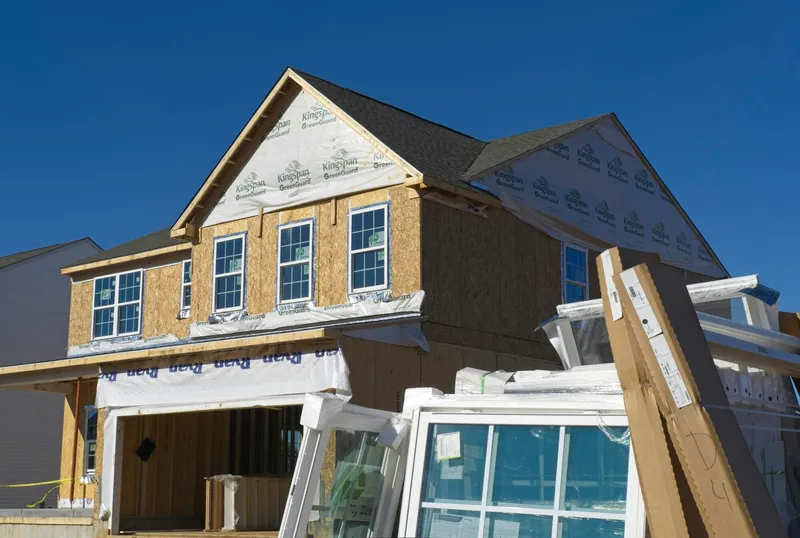
The skeleton of your home takes shape in this phase. Carpenters construct the walls, ceilings, and roof decking with energy-efficient materials like radiant barriers.
Barricade Plus Home Wrap is added to seal the home from unwanted air and moisture, and exterior doors and windows are installed. Afterward, a Parish or County inspection ensures everything meets code requirements.
Following the Stages of Construction
Seeing walls rise can make progress feel fast, while later work may be less visible. Plumbing, electrical work, inspections, and other tasks can continue even when the home's appearance changes very little.
DSLD reports that buyers receive weekly construction progress updates with photos and videos during part of the building journey. These updates can help buyers understand what has been completed without relying only on what can be seen from outside.
Questions about timing are best directed to the Builder Sales Representative because schedules can change as work progresses. A quiet-looking job site does not always mean the project has stopped moving.
Top Out Stage
During the top out stage, the plumbing crew extends pipes to connect all fixtures, including kitchens, bathrooms, and outdoor water outlets. Simultaneously, we install your HVAC system and electrical wiring. Once inspections are complete, we add foam insulation for energy efficiency, using a Blown In Blanket System (BIB) to seal your home from drafts.
Drywall and Exteriors Stage
Your home truly begins to take shape in this stage. Inside, drywall panels are hung and finished, giving the walls a polished look. Outside, the base coat of stucco, vinyl siding, and brick are applied, providing your home with its distinct curb appeal.
Interiors, Punch Out, and Quality Control
Several important stages come together as construction nears completion. The focus moves from major structural work to the surfaces, systems, and finishing details homeowners will use and see every day.
Interiors Stage
The heart of your home comes to life here. Trim carpenters install interior doors, cabinets, baseboards, and crown molding. Painters add the first coats to walls, trim, and cabinets, and ceramic tile is laid in the wet areas of the home.
Mechanical Trim Stage
The focus shifts to completing all systems, including plumbing, HVAC, and lighting. This stage also includes installing countertops, mirrors, appliances, and flooring like carpet and hardwood.
Punch Out Stage
The finishing touches happen here, with paint touchups, a professional cleaning, and landscaping, including sod and seasonal plants. The driveway is pressure washed, and a final inspection ensures every detail meets code standards.
Quality Control Stage
A dedicated Quality Control Professional conducts a thorough inspection with a 1,000+ item checklist. Any issues are corrected by the DSLD superintendent, ensuring your home is perfect for your first walk-through.
Final Steps Toward Homeownership
The last stages give buyers a chance to become familiar with the completed home before closing. They also provide an opportunity for DSLD to confirm that previously identified items have been addressed.
New Homeowner's Orientation
Your DSLD superintendent will guide you through your home, explaining its features and systems while addressing any questions or concerns. This is your opportunity to learn about maintaining and enjoying your new space.
Final Walk-Through
Before closing, we verify that all items from your initial walk-through have been addressed. With everything up to DSLD standards, your home is officially ready for move-in day!
Preparing for Closing
Closing adds financial and legal steps to the home construction process. Buyers should watch for final documents from their lender and confirm how much money will be needed at closing. The finished house is only one part of being ready for closing day.
The Consumer Financial Protection Bureau recommends comparing closing costs with the latest Loan Estimate. Its CFPB closing disclosure guidance also advises checking the Cash to Close amount and asking about unexpected changes.
Buyers can also prepare homeowners insurance and arrange utilities before moving. Keeping closing papers with home records can make tax, insurance, and future ownership questions easier to handle.
Frequently Asked Questions
How Long Does It Take to Build a New Home?
There is no single construction timeline that applies to every new home. Weather, permit timing, inspections, labor availability, and the specific home can all affect how long construction takes.
A projected completion date can also change as work moves forward. Buyers should use updates from their DSLD representative when planning movers, utility service, or other time-sensitive arrangements.
Can Buyers Visit Their Home During Construction?
Buyers should ask their builder when and how construction visits are permitted. An active building site can contain exposed wiring, open trenches, equipment, stored materials, and other hazards that may not be obvious.
Scheduled visits also help prevent buyers from interrupting crews or entering an area before it is safe. Photos and official progress reports can provide another way to follow the project between approved visits.
Can Selections Be Changed After Construction Begins?
The ability to change a selection depends on the purchase agreement and how far construction has progressed. A change that seems small may affect materials that have already been ordered or work that has already been completed.
Buyers should ask about selection deadlines early and keep approved choices in writing. This helps prevent confusion about finishes or other details as the home moves through later stages of construction.
Should a Newly Built Home Be Tested for Radon?
Yes, radon can be present even in a newly built home. The EPA's 2024 radon guide recommends asking whether radon-resistant features were used and whether a new home has been tested.
Radon cannot be seen or smelled, so testing is the only way to know the level inside a home. The EPA recommends taking action when the test result is 4 picocuries per liter or higher. New construction does not automatically mean a home is free from radon.
What Should Homeowners Save After Closing?
Keep copies of closing documents, warranty information, insurance records, and instructions for major home systems. It is also useful to save model numbers for appliances and equipment so replacement parts or service information can be found later.
Building With DSLD Homes
DSLD Homes combines a detailed construction process with features designed to keep buyers informed from the first building stages through ownership. Weekly photo and video reports, a 1,000+ item quality review, homeowner orientation, and follow-up support give buyers several ways to understand the home before receiving the keys.
The goal is not simply to finish a house, but to deliver a home the buyer understands and feels prepared to own.
Connect with DSLD Homes to take the next step toward a new home.